THE ROYAL COURTS OF JUSTICE
Inside London’s Law Courts
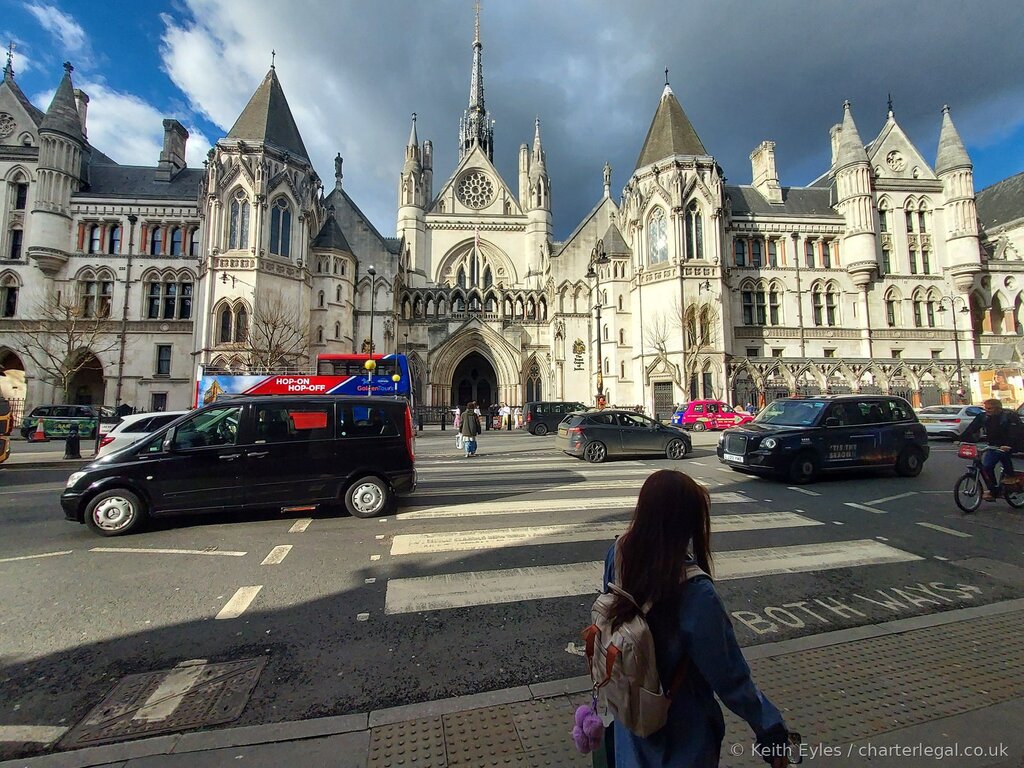
The Royal Courts of Justice, better known to many Londoners simply as “the Law Courts”, stand on the Strand like a Gothic cathedral. On our Legal London walking tour we spend about an hour inside, led by a retired lawyer who knows the building well.
A cathedral of the law
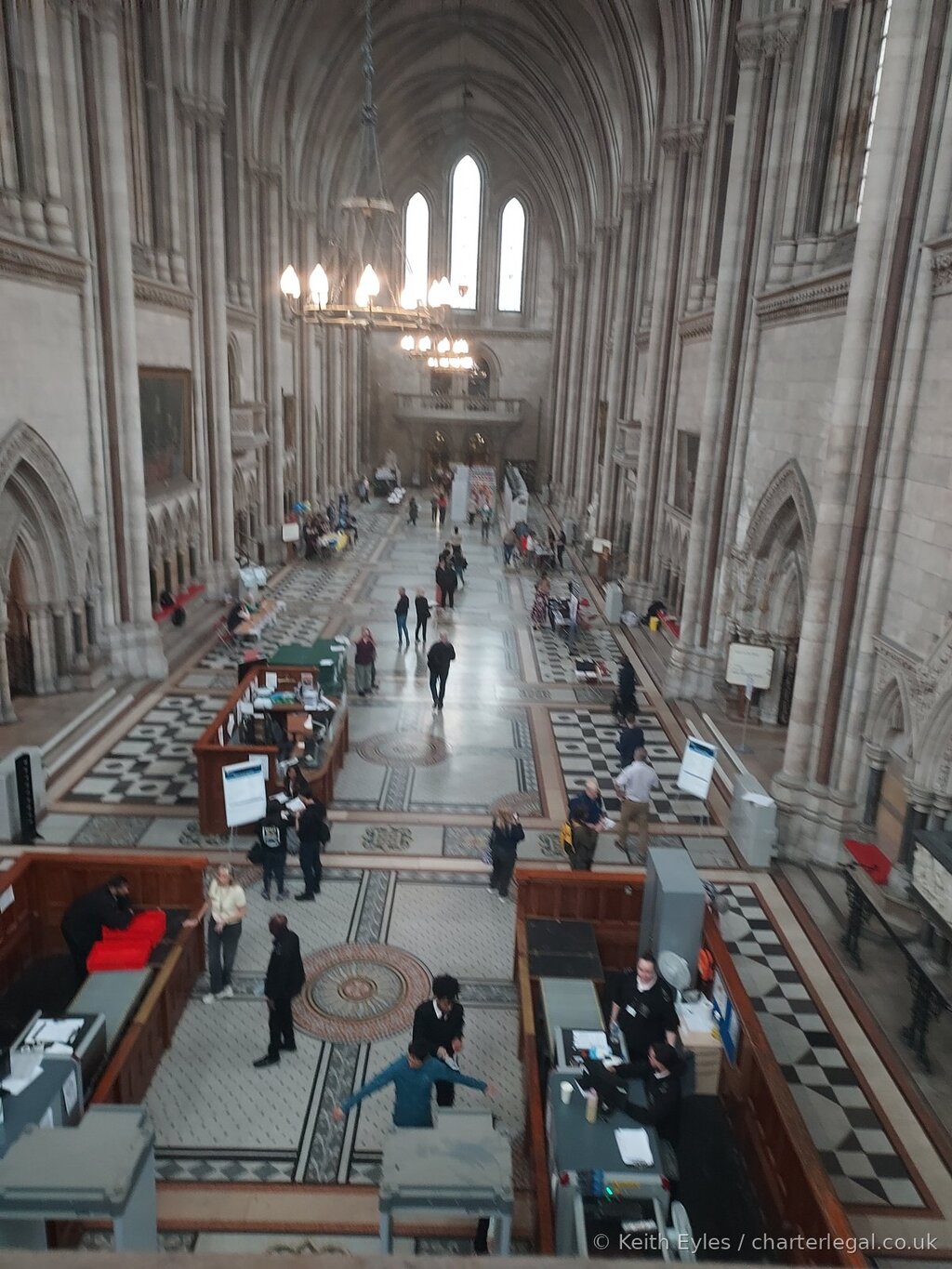
The Great Hall of the Law Courts
The architect, George Edmund Street, had specialised in churches before he designed the Law Courts. He would surely have liked to build a cathedral, and the Royal Courts of Justice were the best substitute. You feel it as soon as you step into the vast Great Hall.
Building began in 1874. Street died in 1881, before it was finished, and it was said that stress from his battles with the government over funding was to blame. Queen Victoria opened the building in December 1882, although it was not completed until January 1883. The Queen could not wait!
Columns that hold nothing up
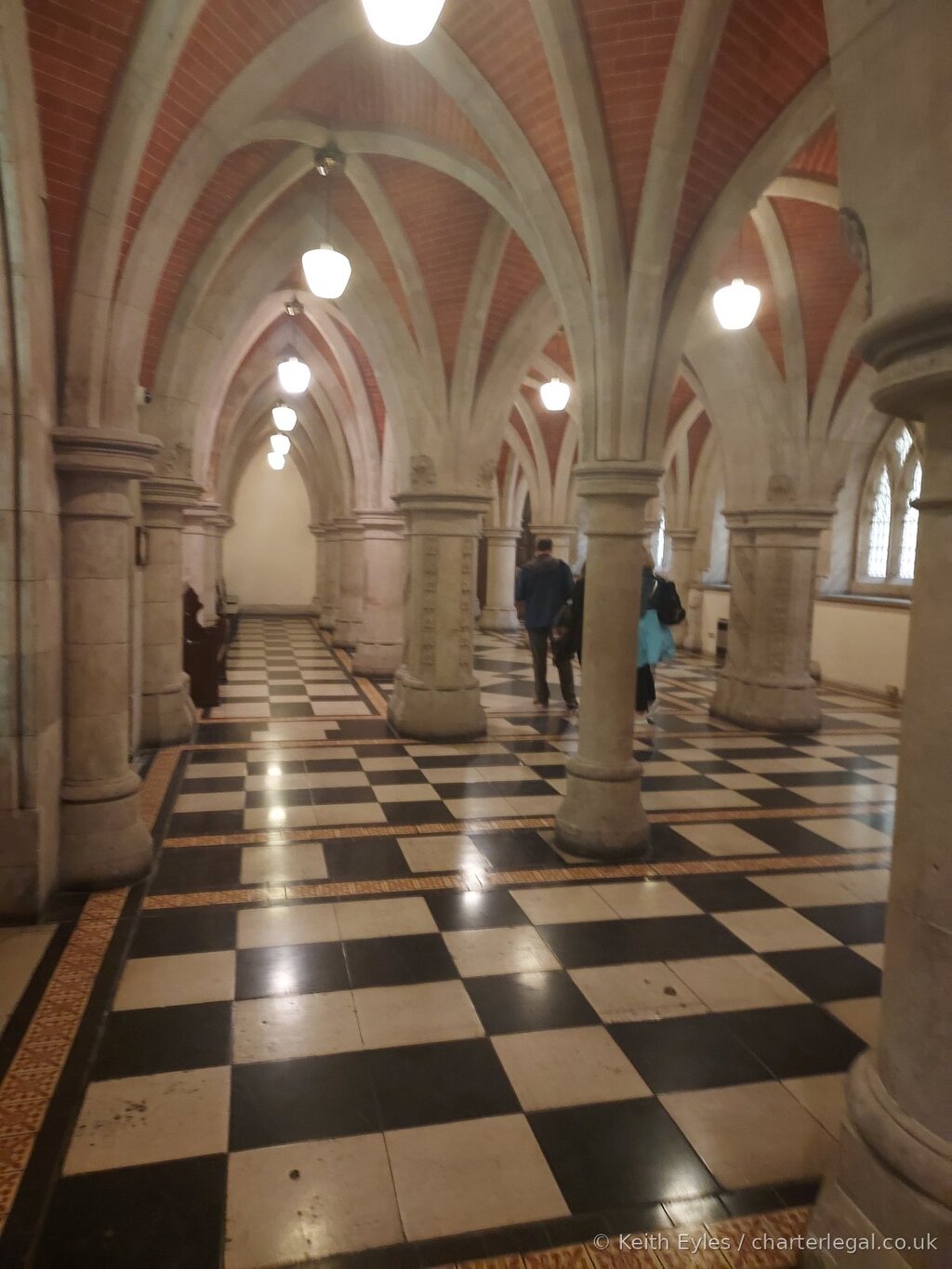
On the ground floor is a vaulted room full of stone columns. In a cathedral this would be the undercroft supporting the floor above, but here there is no structural need for them. It is another sign of the cathedral Street wanted to build.
Court 4: the Lady Chief Justice’s court
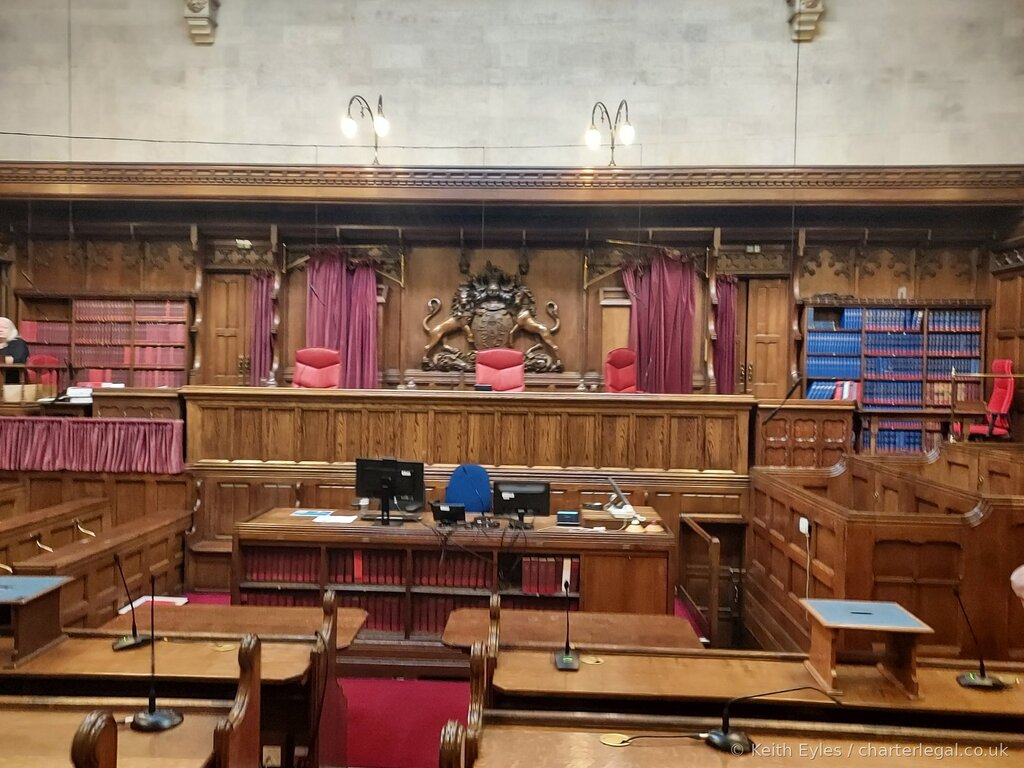
Court 4 is the court of the Lord or Lady Chief Justice of England and Wales. Since 2023, for the first time in history, the post has been held by a woman: Baroness Carr of Walton-on-the-Hill, who sits here as a judge.
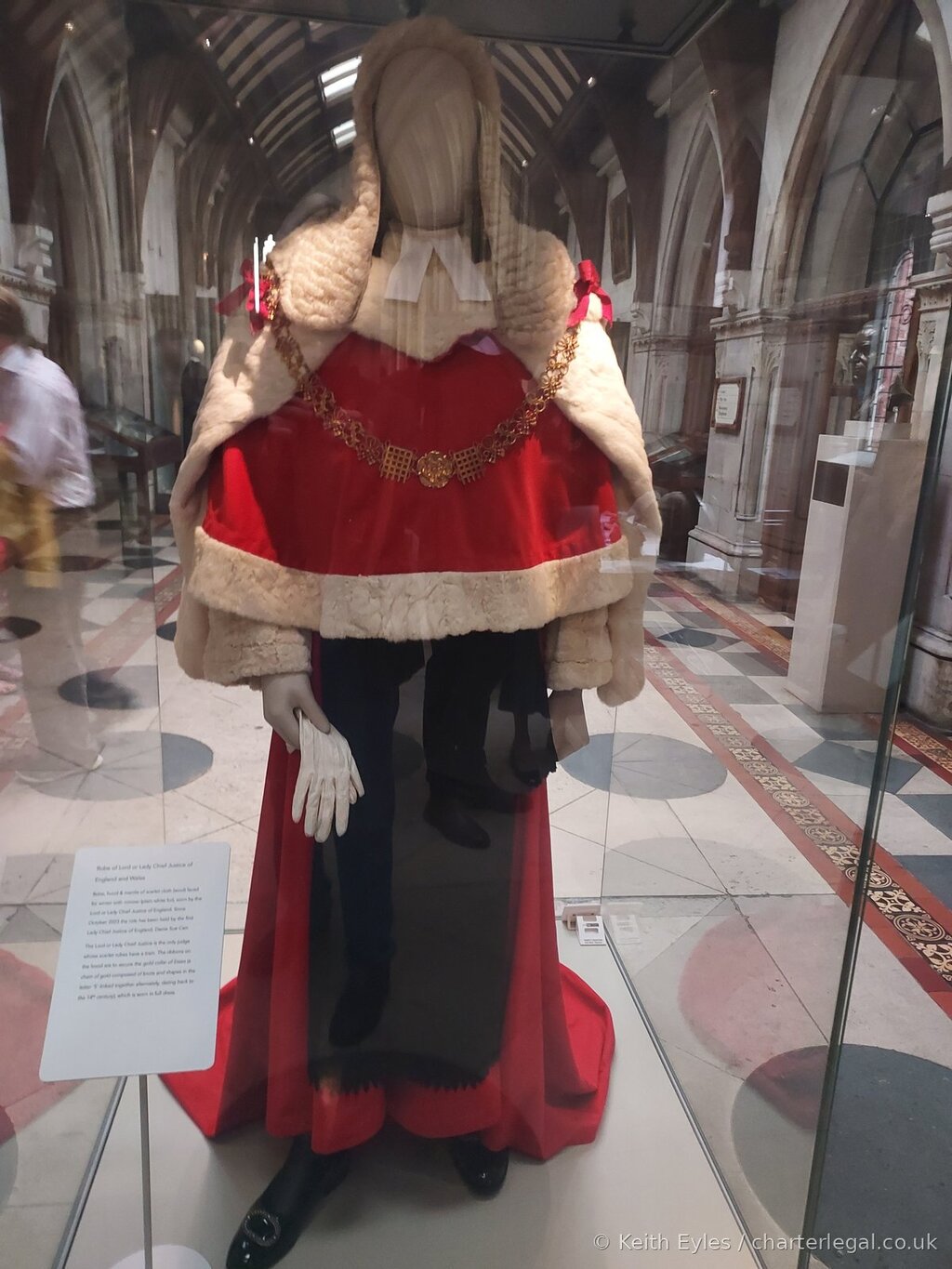
The robes of the Lady Chief Justice
Blackstone, America and the Law Courts
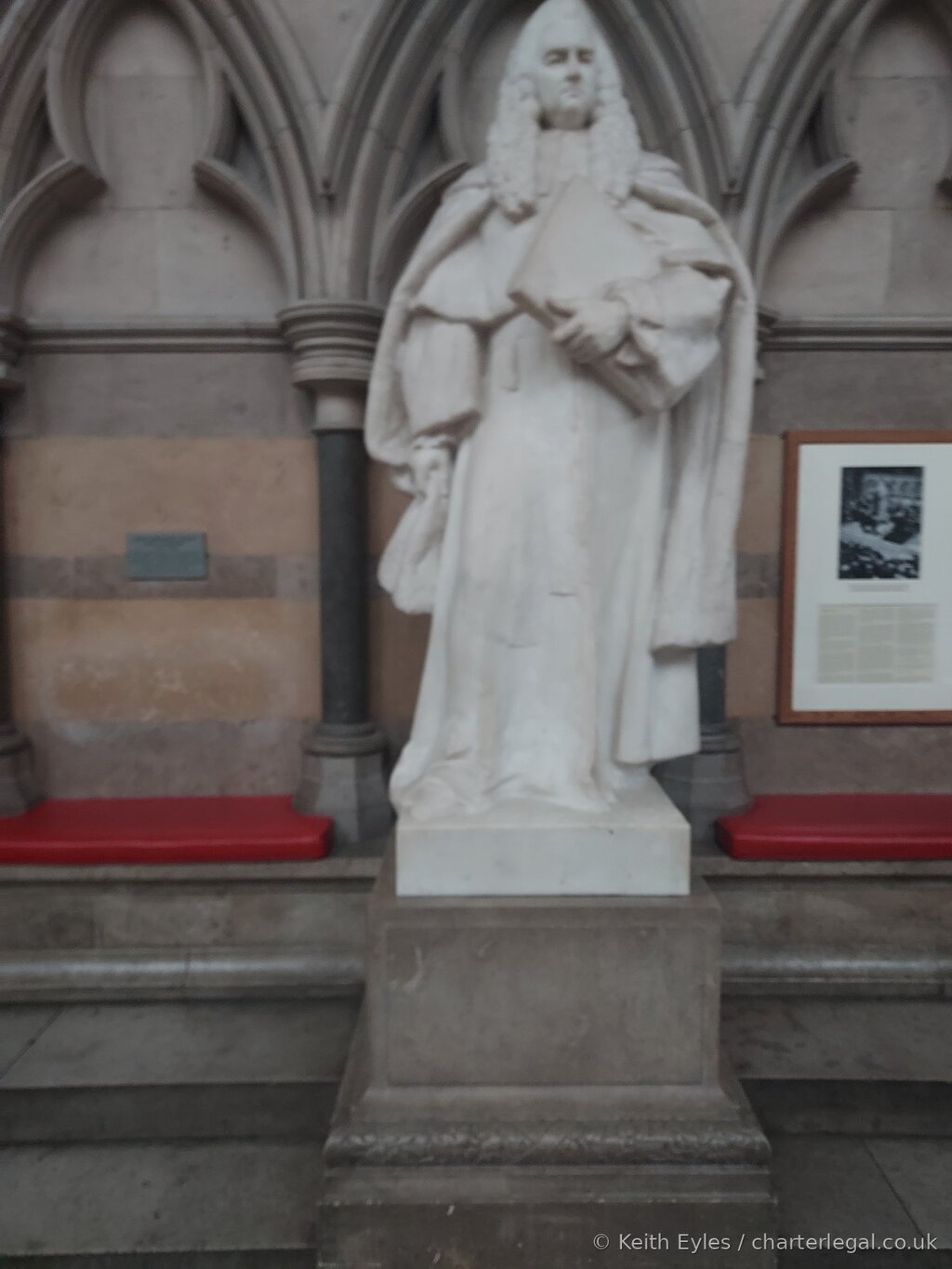
The marble statue of Sir William Blackstone was paid for by the American Bar Association. Blackstone’s writings on English law are better known today in the United States than in Britain.
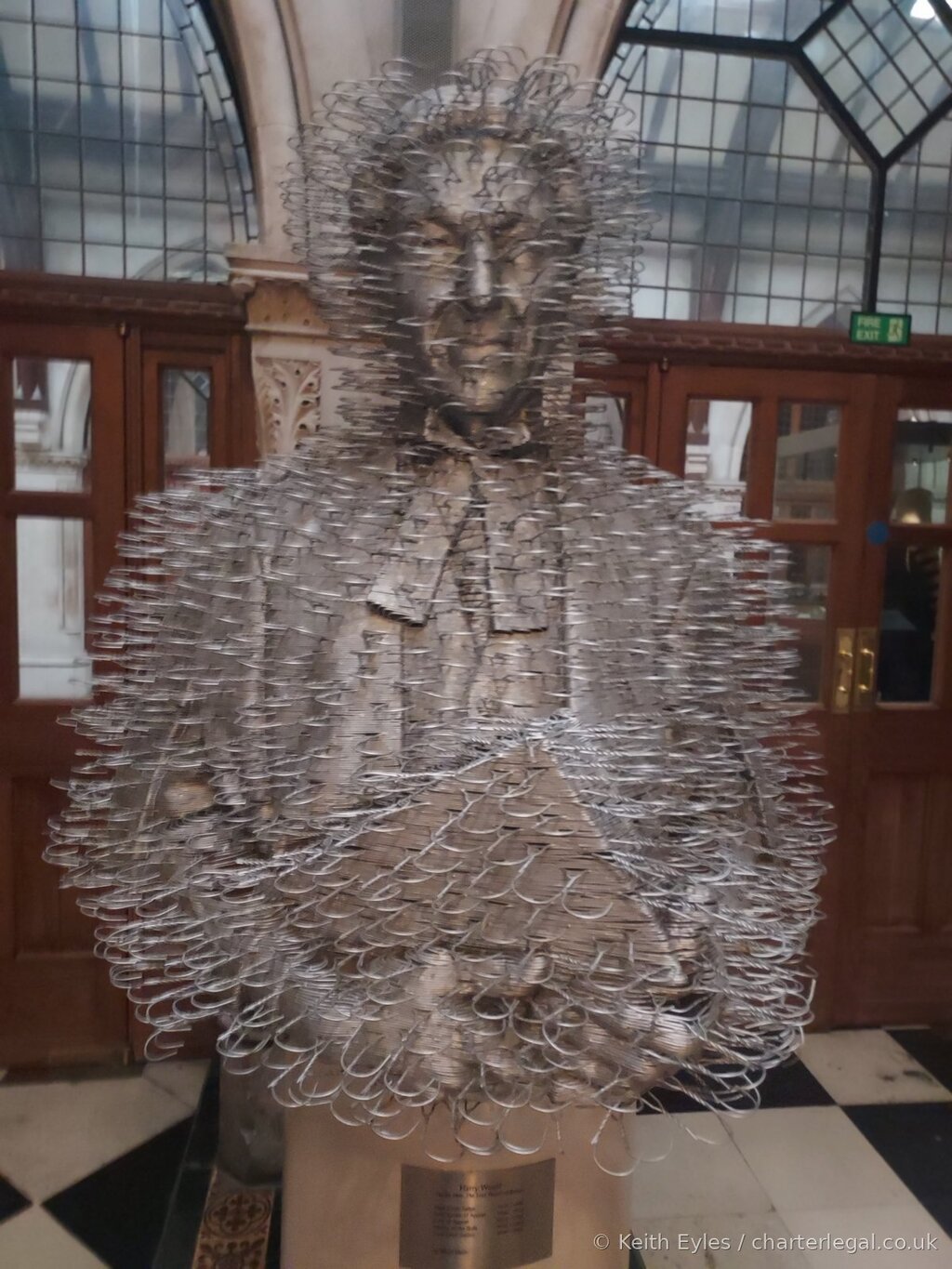
Lord Woolf: the coat hanging judge
A rarely seen view of the prisoners’ cells
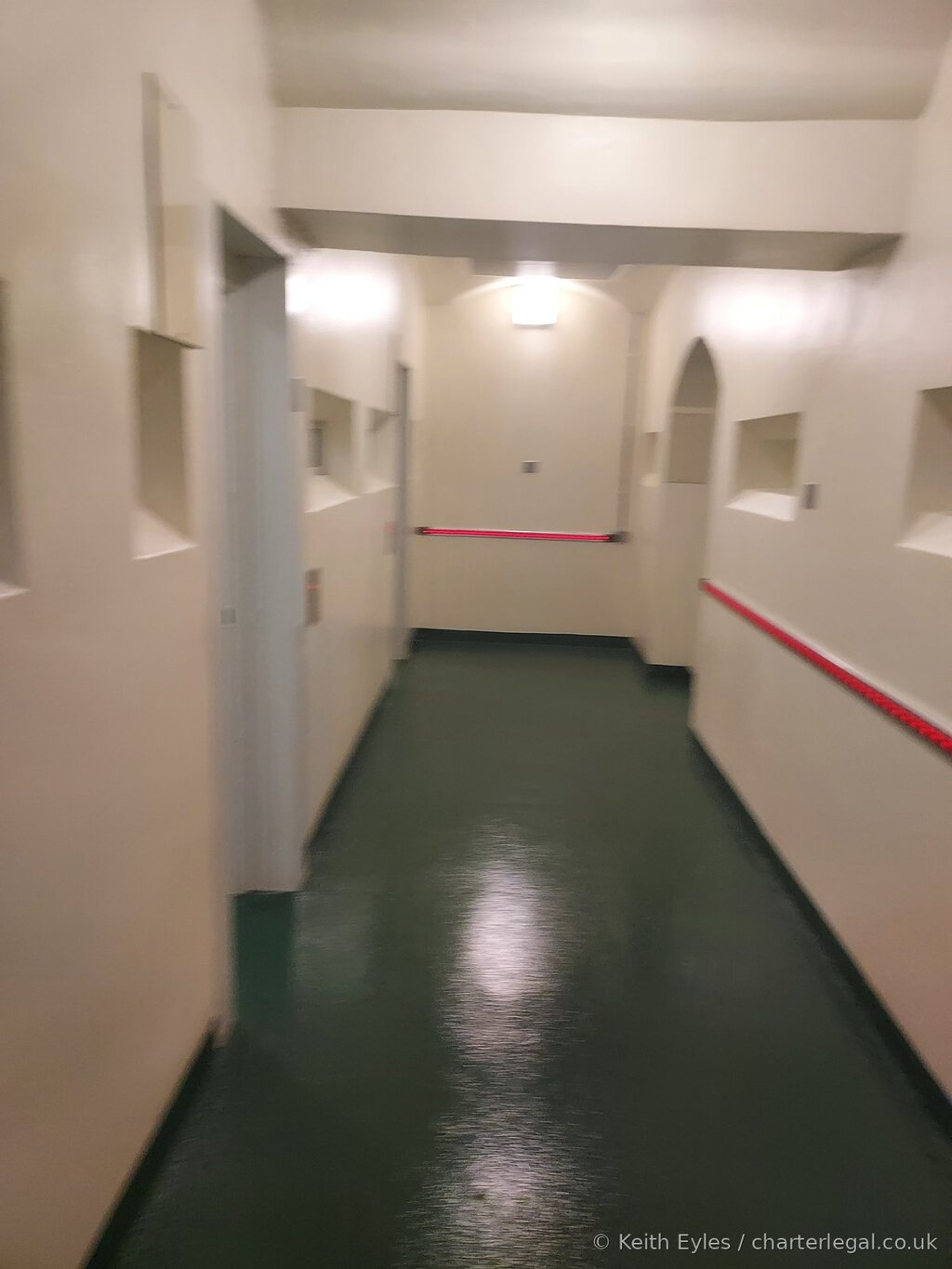
A rarely seen view of the prisoners’ cells
Prisoners were once held here before being taken up into court. Today they rarely come into court at all: if they wish to follow their case, they usually watch on CCTV.
Visit the Royal Courts of Justice with us
The Law Courts are one of the highlights of our three-hour Legal London walking tour, which also takes in the Inns of Court and Temple Church. No legal knowledge is needed, just curiosity.